

Springs That Actually Lift the Load
Broken Garage Door Spring Repair in South Central Kentucky for doors that will not open or feel extremely heavy
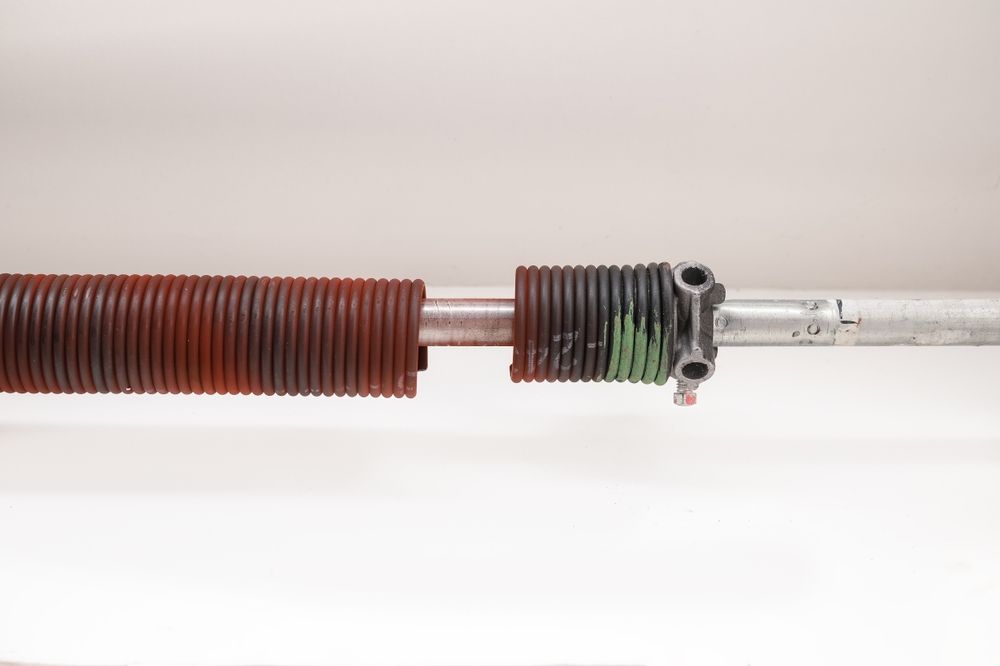
When a torsion spring snaps, the sharp crack echoes through the garage, and suddenly the door won't budge. Broken garage door spring repair from Clark Companies addresses both torsion springs mounted above the door and extension springs running along the tracks. Without functioning springs, the door's full weight—often 150 pounds or more—falls on the opener motor or on you if lifting manually, and attempting to force the door open can damage the opener or cause personal injury.
Spring failure is sudden and complete because these components operate under constant tension, cycling thousands of times over their lifespan. Each time the door opens, springs unwind slightly; each time it closes, they wind back. Eventually, the metal fatigues and breaks, usually near the end cone where stress concentration is highest. Replacing the broken spring restores the counterbalance system that makes the door feel weightless during operation, which prevents strain on the opener and ensures smooth travel.
Request a detailed estimate based on your door's weight, size, and the type of spring system currently installed.
What Changes After Spring Replacement
Spring repair requires measuring the door's weight, determining the correct spring specifications, and using winding bars to safely install and tension the new spring. Torsion springs are wound to a specific number of turns based on door height, while extension springs are selected by weight rating and stretched to the proper length. The process involves specialized tools designed to control the high-tension forces involved, which prevents the sudden release that causes injuries during improper installation.
After spring replacement, you'll immediately notice the door lifts with minimal effort, whether using the opener or lifting manually. The door stays in place when stopped mid-travel instead of slamming down or creeping closed, which indicates proper spring balance. The opener motor runs quietly without laboring, and the door travels smoothly through its full arc without jerking or hesitating. This restored balance extends the life of the opener by eliminating the excessive load that causes premature motor failure.
Both springs are often replaced even if only one has broken, especially if the door is several years old. Springs wear at similar rates, so when one fails, the other is near the end of its lifespan and likely to break soon. Replacing both prevents a second service call within weeks and ensures matched tension on both sides of the door, which keeps the door level during operation and prevents premature wear on rollers and tracks.
Common Questions About This Service
Homeowners dealing with broken springs want to know why failure happens without warning, whether repair is dangerous, and how long new springs will last.
How long do garage door springs typically last?
Standard torsion springs are rated for 10,000 to 15,000 cycles, which translates to roughly seven to nine years for a door used four times daily. High-cycle springs rated for 25,000 cycles or more are available for doors with heavier use patterns.
Why can't I just disconnect the opener and lift the door manually?
A door with a broken spring weighs its full unassisted weight, which can exceed 200 pounds for double-car doors. Lifting it manually risks injury and can bend panels or damage tracks if the door tilts during the lift.
What makes spring replacement dangerous for DIY attempts?
Torsion springs store enough energy to cause severe injuries if they slip during winding or unwinding. Winding bars must remain fully engaged in the winding cone, and any improvised tools or incorrect procedures can result in the spring violently unwinding.
How does cold weather in South Central Kentucky affect garage door springs?
Cold temperatures increase metal brittleness, which makes existing cracks in fatigued springs more likely to propagate and cause sudden failure. Springs are more prone to breaking during the first operation on cold mornings after sitting overnight.
Will replacing the springs prevent other parts from wearing out?
Properly tensioned springs distribute the door's weight evenly, which reduces stress on the opener, cables, rollers, and tracks. This balanced operation extends the service life of all moving components and reduces the frequency of future repairs.
Clark Companies uses the correct tools and techniques for safe handling of high-tension components, ensuring proper balance and smooth operation after every repair. Schedule an appointment when your door becomes heavy to operate or if you hear unusual noises during opening and closing cycles.