
Built to Handle Real Workshop Demands
Light Structural Fabrication in Russel Springs for workshops and properties needing custom racks, trailers, and welded equipment
When standard storage systems fail under the weight of real tools and equipment, or when you need a utility trailer built for specific hauling tasks rather than off-the-shelf compromises, fabricated steel solves problems that retail products can't address. Clark Companies handles light structural welding fabrication in Russel Springs, building practical items like tool racks, metal work tables, equipment trolleys, and small trailers designed around how you actually use your workspace. These aren't decorative pieces—they're rugged structural items engineered to support heavy loads, resist impact, and last through years of workshop or farm use.
Light structural fabrication involves cutting, fitting, and welding steel components to create custom equipment that matches your specific dimensions, weight requirements, and functional needs. You provide the measurements and describe how the item will be used, and the fabrication process produces a welded structure built to handle those exact conditions without flexing, tipping, or failing at connection points.
Schedule a consultation to discuss your specific fabrication requirements and workspace dimensions.
What Proper Structural Welding Produces
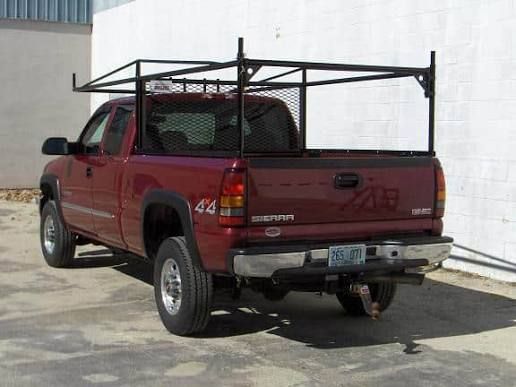
Structural fabrication for workshops and properties starts with understanding load requirements and how forces transfer through the frame during use. A tool rack supporting heavy wrenches and hammers requires different bracing than a metal table holding a drill press, and a trailer frame must distribute tongue weight and cargo loads without stress cracks at the welds. Each project involves selecting appropriate steel stock, designing joint configurations that handle the intended forces, and welding in sequences that prevent warping while maintaining structural integrity.
Once fabrication is complete, you'll notice equipment that stays square under load, surfaces that don't flex when you lean tools or materials against them, and welded joints that hold without cracking when the structure gets bumped or dragged across uneven ground. A properly fabricated equipment trolley rolls smoothly even when loaded to capacity, and custom racks mount securely to walls without pulling away when you hang heavy items. The difference shows up in how the equipment handles daily use—metal tables stay level, trailer frames track straight during towing, and storage racks support weight without sagging over time.
Structural fabrication doesn't include powder coating or decorative finishes unless specified, and projects requiring engineering stamps for commercial applications fall outside light fabrication scope. The focus remains on producing functional welded structures that perform reliably in workshop, farm, and light industrial settings where durability matters more than appearance.
Questions Property Owners Ask Before Fabrication
Custom welding projects often raise practical questions about materials, design limitations, and how fabricated items compare to manufactured alternatives. These answers clarify what light structural fabrication involves and what you can expect from the process.
What types of steel work best for tool racks and work tables?
Most light structural projects use square tubing or angle iron because these shapes resist bending and twisting better than flat bar stock, and the consistent cross-sections simplify welding while producing clean, strong joints that handle repetitive stress.
How does custom fabrication differ from buying pre-made equipment?
Fabricated structures fit your exact space and load requirements instead of forcing you to adapt your workflow to standard sizes, and welded steel construction handles heavier use than bolted retail products that loosen over time or fail at connection points.
What happens if I need to modify a fabricated item later?
Welded steel structures can be cut and re-welded to add extensions, mounting points, or reinforcement as your needs change, which makes fabrication more adaptable than manufactured equipment with fixed dimensions.
Why do some welded joints crack after a few months of use?
Joint failure typically results from inadequate penetration during welding or placing welds where stress concentrates during use, which is why proper fabrication includes planning weld locations based on how forces move through the structure when it's loaded.
When should I choose fabrication instead of modifying existing equipment?
Fabrication makes sense when you need specific dimensions that aren't available commercially, when retail products don't support the weight you're working with, or when conditions in Russel Springs workshops and properties require equipment built to handle uneven surfaces, weather exposure, or repeated impacts that would damage lighter construction.
Clark Companies builds structural items designed around how you actually work, not around what's easiest to mass-produce. Discuss your project specifications to determine the best approach for your fabrication needs.