
Sculptures That Tell a Story
Decorative Yard Art in Russel Springs for properties showcasing creative metalwork from salvaged materials
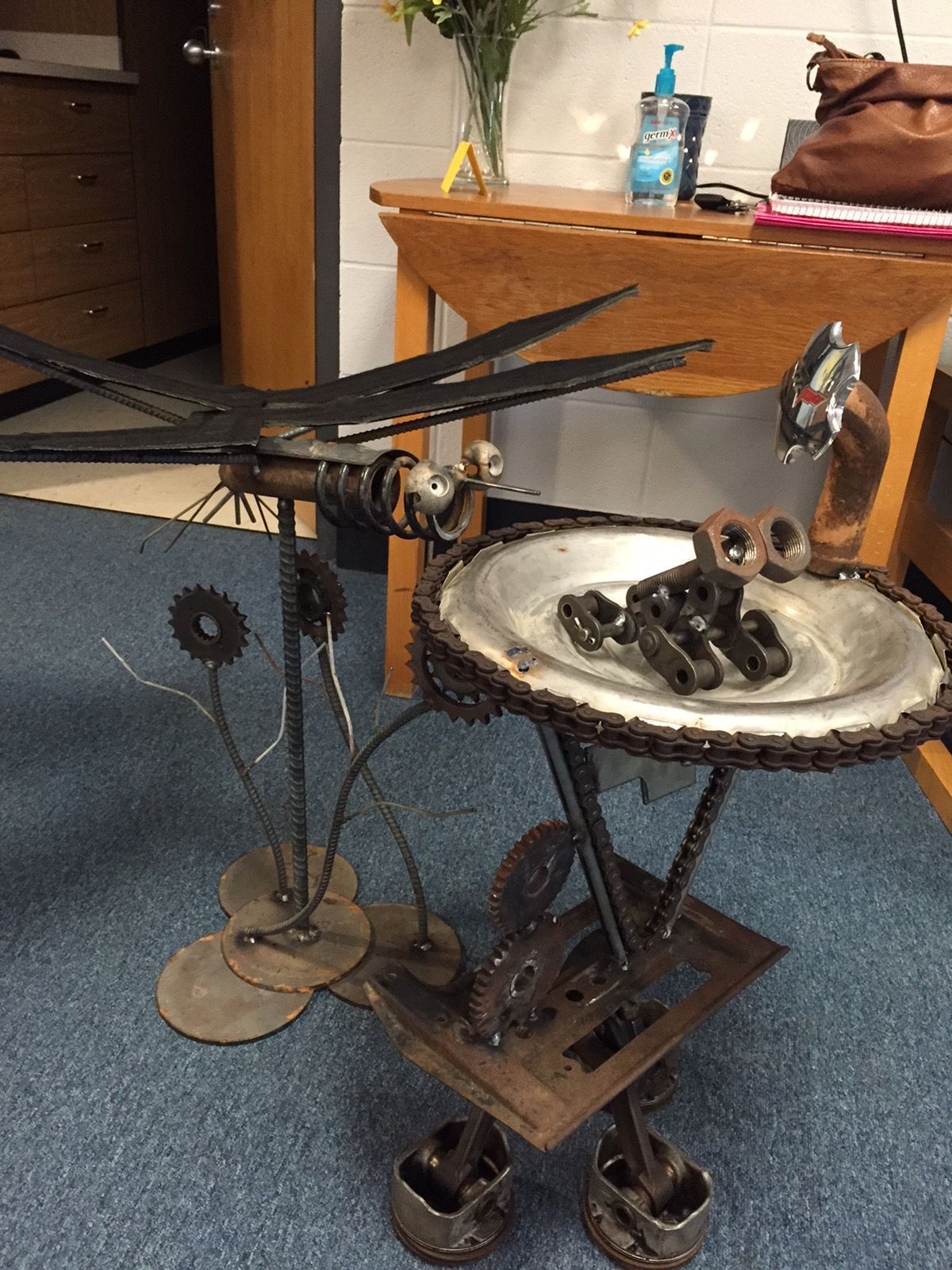
Salvaged car parts, old hand tools, and scrap metal don't have to end up in landfills when they can be transformed into sculptures that add character to your property. Clark Companies recycles metal components to create decorative yard art in Russel Springs, welding together salvaged materials into unique pieces that reflect rural heritage, mechanical history, or simply interesting forms that catch the eye. These sculptures turn discarded wrenches, gears, automotive parts, and farm equipment fragments into outdoor art that holds up to weather while giving new purpose to materials that would otherwise be waste.
The process involves sorting through salvaged metals and tools to find pieces with interesting shapes, textures, or historical significance, then arranging and welding them into compositions that balance visual interest with structural stability. Each sculpture uses the original character of the salvaged components—rust patina, worn edges, recognizable tool shapes—as part of the artistic effect rather than trying to make old metal look new.
Request a consultation to explore design concepts and available salvaged materials for your property.
How Salvaged Metal Becomes Outdoor Art
Creating sculptures from recycled metal starts with evaluating each salvaged piece for structural integrity, visual interest, and how it might combine with other components. Old wrenches bring recognizable shapes and nostalgic associations, car parts like gears and connecting rods provide mechanical detail, and sections of farm equipment add scale and texture. The welding process joins these elements into stable structures that can stand upright in gardens, mount on walls, or hang from posts without toppling or rusting through prematurely.
After installation, you'll see art pieces that develop natural patina over time, surfaces that show the original wear patterns and tool markings from their previous lives, and forms that shift in appearance as sunlight changes angle throughout the day. The sculptures don't require maintenance beyond occasional inspection of weld points, and the outdoor weathering actually adds to the visual character rather than degrading the piece. Property visitors often recognize specific tools or automotive components within the sculpture, which creates conversation and connection to the history embedded in the materials.
Decorative yard art made from salvaged materials works best in informal garden settings, rural properties, or anywhere vintage industrial aesthetics fit the surroundings. These pieces aren't appropriate for formal landscapes requiring polished finishes, and the weathered appearance intensifies over time rather than staying static, which some property owners prefer while others find unsuitable for their setting.
Common Questions About Metal Sculpture
Yard art created from salvaged materials raises questions about durability, customization, and how recycled metal performs outdoors compared to new fabrication. These answers address practical concerns before commissioning a piece.
What determines which salvaged materials work for sculptures?
The metal must retain enough structural integrity for welding, which means avoiding pieces with deep rust that has compromised thickness or created fragile flaking that won't hold under heat, though surface rust and patina actually contribute to the visual character.
How long do sculptures made from old tools and car parts last outdoors?
Salvaged steel that's already weathered for decades typically continues weathering very slowly once formed into yard art, and the welded joints create protected areas that resist further corrosion, so most pieces remain structurally sound for many years even in Russel Springs weather conditions that include humidity and seasonal temperature swings.
What happens if I want a sculpture representing a specific theme?
The design process involves discussing your concept and then selecting salvaged components that support that theme—farming heritage might use plow parts and hand tools, automotive themes could incorporate engine components and hubcaps, and abstract pieces combine shapes based on visual balance rather than representational imagery.
Why choose salvaged metal art instead of new fabrication?
Recycled materials bring history and texture that new steel can't replicate, each salvaged component adds a layer of story to the finished piece, and the environmental aspect of giving discarded metal new purpose resonates with property owners who value sustainability and creative reuse.
When should sculptures be mounted versus freestanding?
Mounting works better for wall pieces or sculptures in high-wind areas where toppling could cause damage, while freestanding installations suit garden beds and landscape features where the sculpture needs to be visible from multiple angles and where ground stakes or base plates provide adequate stability.
Clark Companies transforms materials destined for scrap into creative metalwork that adds personality to your outdoor spaces. Arrange a design discussion to review available salvaged components and sculpture possibilities.