
Structural Repairs Without Transport Delays
Mobile Welding Repair Services in Russell Springs for equipment, structures, and components that cannot be moved to a shop
Mobile welding eliminates the time and cost of disassembling, transporting, and reassembling equipment when a structural failure occurs on-site. Clark Companies brings welding equipment directly to farms, job sites, and residential properties where the damaged component is either too large to move, integrated into a fixed structure, or needed back in service immediately. The service addresses cracks in load-bearing members, broken mounting brackets, separated joints, and structural damage from impacts or fatigue. What changes after the repair is that the component carries load again, the equipment returns to operation, and work resumes without the multi-day interruption that shop-based repair requires.
The welding process begins with evaluating the fracture or failure point to determine what caused it—whether it's material fatigue, poor original weld penetration, overloading, or environmental stress. The damaged area is prepared by grinding away compromised material, and the repair is made using filler metal selected to match the base material's composition and strength requirements. On-site welding requires controlling variables like wind, moisture, and ambient temperature that are managed automatically in a shop environment but must be addressed in the field.
Request an on-site assessment to evaluate the failure and confirm that field welding is appropriate for the material and load conditions.
What Changes After On-Site Welding
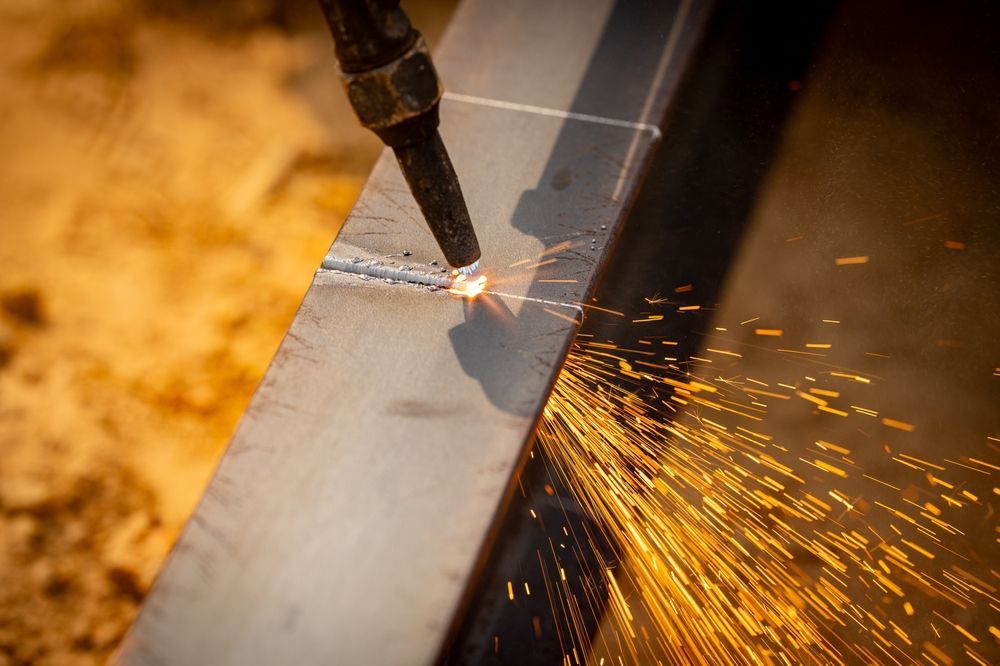
Field welding involves setting up portable machines, running power from available sources or generators, and preparing the work area to allow proper joint access and ventilation. The weld itself must achieve full penetration through the material thickness and bond to clean base metal, which often means grinding through paint, rust, or galvanizing that would contaminate the weld pool. For structural components, the repair may include reinforcement plates or gussets that distribute stress away from the original failure point.
Once complete, the welded component supports the intended load without flexing or cracking at the repair site, and the equipment or structure returns to normal use. You no longer work around the failure or reduce capacity to avoid stressing the damaged area. The repair becomes the path of continuity through the structure, functioning the same as the original material in terms of strength and rigidity.
Mobile welding is suitable for most steel and iron repairs but has limitations on certain metals and configurations. Aluminum and stainless steel require specific equipment and shielding gas that may not be practical in all field conditions, and repairs on pressure vessels or code-regulated structures require documentation and inspection that field work may not accommodate. The initial evaluation determines whether the repair can be completed on-site or requires controlled shop conditions.
Answers to Frequent Service Questions
Property owners and site managers usually want to know about service radius, material compatibility, and whether field repairs match shop quality.
What types of repairs are appropriate for mobile welding?
Structural breaks, cracked frames, separated joints, and broken brackets are typical applications. The repair must be accessible for equipment setup and must not require heat treatment or controlled cooling that only a shop environment can provide.
How far from Russell Springs will mobile welding service travel?
The service operates within a standard radius but can extend farther for urgent repairs or large projects where the travel cost is justified by avoiding equipment downtime or transport expenses.
Does on-site welding produce the same strength as shop welding?
When properly executed with correct filler material and technique, field welds meet the same strength standards. The challenge is controlling environmental conditions—wind affects shielding gas coverage, moisture causes porosity, and cold temperatures slow cooling rates.
What preparation is needed before the welder arrives?
The work area should be cleared of flammable materials, and power access confirmed. If the component can be partially disassembled to improve weld access without full removal, that reduces repair time and improves weld quality.
Can mobile welding repair equipment that is still under load or pressure?
No. Components must be de-energized, depressurized, and relieved of structural load before welding. Attempting to weld live equipment risks catastrophic failure and creates welds that crack immediately due to residual stress.
Clark Companies evaluates each repair request to confirm that mobile welding will restore full function and that site conditions allow quality work. Schedule a site visit to review the damage and discuss whether field repair or shop service is the appropriate solution.