
Seals That Actually Keep Weather Out
Garage Door Weather Seal Repair in Russell Springs for worn seals allowing moisture, debris, and air gaps
The rubber seal along the bottom of your garage door and the weather stripping between door sections prevent rain, snow, wind-driven debris, and pests from entering the garage. When these seals crack, harden, or pull away from mounting channels, you'll notice water pooling inside after storms, dust accumulating along the door's path, or cold air flowing through gaps during winter. Repairing weather seals is straightforward but improves insulation, protects stored items from moisture damage, and prevents pests from finding entry points where garage spaces connect to living areas.
Weather seals degrade from ultraviolet exposure, temperature cycling, and constant compression during door operation. The bottom seal takes the most abuse—dragging across the garage floor during every cycle and freezing to concrete during winter weather. Over time, the rubber becomes brittle, cracks develop, and the seal no longer conforms to uneven floor surfaces that allow gaps.
Request weather seal replacement if you notice water entering under your door or visible light gaps when the door is closed.
What Changes After Seal Replacement
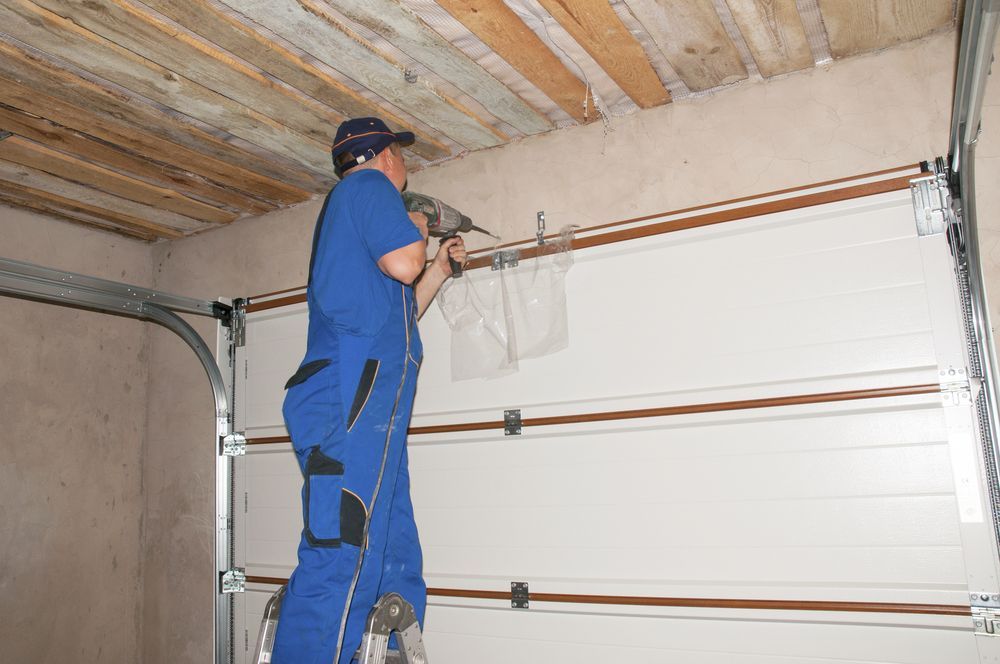
Weather seal repair removes old, hardened material from mounting channels, inspects the channels for damage or debris that prevents proper seal seating, and installs new seal material sized to your door's width and thickness requirements. Bottom seals are measured to extend slightly beyond the door's edges and compress fully against floor surfaces, even where concrete has settled unevenly.
After seals are replaced, rain no longer runs under the door during storms, and the garage floor stays dry instead of showing water stains and puddling near the door. Cold air infiltration drops noticeably—if your garage connects to conditioned spaces or includes a workshop, the temperature stays more stable and heating costs decrease. You'll no longer find wind-blown leaves, dust lines, or insect entry points along the door's perimeter, and small rodents lose the gaps they use to access garage storage areas.
Weather stripping between door sections may also require replacement if gaps appear when the door curves through the track transition. This stripping compresses as sections hinge relative to each other, and failed stripping allows air and light to pass between sections. Replacing section weather stripping along with bottom seals completes the door's envelope and maximizes insulation performance.
What People Ask About Weather Seals
Weather seal problems seem minor until you deal with water damage, pest intrusion, or energy loss from air gaps that compromise your garage's function as conditioned or protected space.
How do you know when seals need replacement?
Visible cracks, hardened rubber that no longer flexes, gaps showing daylight under a closed door, or water entering during rain all indicate seal failure. Bottom seals that have worn flat or pulled away from the mounting channel no longer create a barrier against the floor.
What's the difference between bottom seals and weather stripping?
Bottom seals attach to a metal channel or retainer along the door's lower edge and compress against the garage floor. Weather stripping fits between door sections or along the door's sides and top, sealing gaps where sections hinge or where the door meets the frame. Both serve similar functions but use different mounting methods.
Do weather seals affect energy costs?
Garages with failed weather seals allow unconditioned outside air to enter freely, which affects any HVAC system serving connected spaces and makes workshops or heated garages more expensive to maintain at comfortable temperatures. Clark Companies sees significant air infiltration through worn seals in South Central Kentucky homes, especially during winter cold snaps and summer humidity.
Can seals prevent pest problems?
Mice, insects, and small snakes use gaps under garage doors as primary entry points into structures. Replacing worn seals eliminates these access routes and reduces pest pressure on stored items, particularly in garages used for long-term storage or connected to living spaces.
How long do new weather seals last?
Seal longevity depends on material quality, exposure to sunlight, and how often the door operates. Higher-quality rubber compounds resist cracking and maintain flexibility longer than basic seals, typically providing five to ten years of effective service before requiring replacement.
Clark Companies replaces weather seals on garage doors throughout Russell Springs and South Central Kentucky. Set up a service visit to eliminate drafts, moisture intrusion, and pest entry points at your property.